June 9, 2026
The garment customization industry is experiencing a profound transformation as global awareness shifts toward environmental responsibility. Originally viewed as a fast-fashion commodity with minimal regard for manufacturing footprints, custom apparel has entered a new era where production ethics matter just as much as design aesthetics. Today, creators and businesses alike are re-evaluating their methods to balance the demands of modern commerce with the preservation of natural resources. This evolving landscape requires a deep dive into the methods, materials, and technological advancements that allow contemporary garment decorators to operate without compromising the health of our planet.
As public awareness intensifies, the intersection of technology and ecology has become the primary driver for industry growth. Navigating this transition requires an understanding of how traditional methodologies are being replaced by cleaner, more efficient alternatives. By analyzing the structural shifts in supply chains, processing techniques, and consumer behaviors, we can better understand how the market is repositioning itself. The following examination highlights the specific operational adjustments and modern philosophies that are allowing the garment decorating sector to align successfully with rigorous global environmental benchmarks.
Advancing Sustainable Production Methodologies
With an increasing focus on sustainability and environmental consciousness, the industry has faced pressure to adopt eco-friendly practices. This shift is driven not only by consumer demand but also by regulatory guidelines aiming to curb environmental impact. As the custom t-shirt printing market is expected to reach USD 9.62 billion by 2030 according to Rawshot, the implications of eco-standards are significant for the industry’s future. To hit these benchmarks, production facilities are fundamentally altering their workflows to minimize resource consumption and eliminate historical inefficiencies.
The transition from mass production to localized, on-demand fulfillment represents a major victory for the environment. Historically, warehouses filled with unsold merchandise contributed heavily to global landfill waste when styles changed or campaigns ended. Modern facilities utilize advanced computer-aided design systems and high-precision machinery to execute orders only after a purchase is completed. This calculated approach prevents overproduction, drastically reduces fabric offcut waste, and ensures that energy is expended exclusively on garments that have a guaranteed destination.
Utilizing Eco-Friendly Consumables
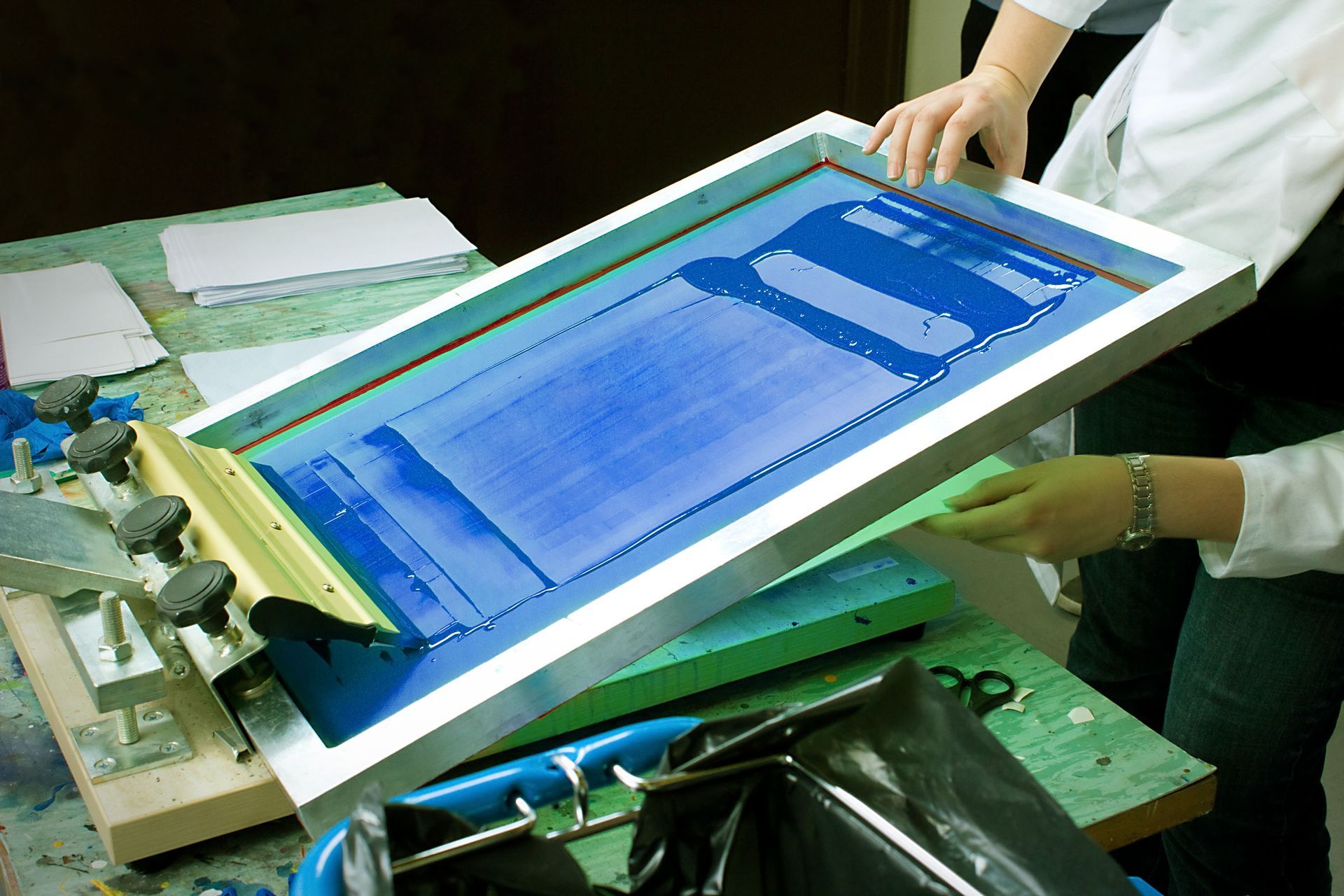
The chemicals and colorants used in garment decoration have historically posed some of the greatest ecological hazards, often releasing toxic heavy metals and non-biodegradable components into local ecosystems. To counteract this legacy, the modern t-shirt printing sector has rapidly pivoted toward advanced water-based ink formulations. These innovative solutions replace traditional plastisol inks, which rely heavily on polyvinyl chloride and harmful phthalates that persist in the environment. Water-based alternatives provide a double benefit by delivering an incredibly soft texture to the finished garment while eliminating the hazardous off-gassing common in older curing processes.
In addition to modifying ink bases, modern production facilities are actively reducing volatile organic compounds within their print shops. Eliminating harsh chemical solvents from screen reclamation and machine maintenance greatly improves air quality for production staff while preventing toxic runoff from entering municipal water systems. By implementing closed-loop filtration setups, facilities can safely capture, treat, and reuse water during the cleaning phases. This conscientious management of chemical consumables demonstrates that high-volume decoration can coexist with stringent ecological safety protocols.
Integrating Responsible Fabric Choices
The ecological impact of a customized garment is inherently tied to the agricultural and processing methods used to create the raw substrate. Conventional cotton cultivation is notoriously resource-intensive, requiring massive volumes of synthetic pesticides and billions of gallons of water annually. Because of this, responsible decorators are prioritizing organic cotton, which preserves soil biodiversity and utilizes significantly less energy and water during its growth cycle. By sourcing materials that carry certified ecological credentials, print operations ensure that their final products are sustainable from the very first seed.
Simultaneously, the industry is witnessing incredible breakthroughs in the realm of recycled and alternative fibers. Post-consumer plastic bottles and industrial textile scraps are now routinely transformed into high-quality polyester blends that exhibit excellent durability and print reception. Emerging renewable options like hemp and bamboo are also gaining substantial traction due to their rapid growth rates and ability to thrive without chemical fertilizers. Integrating these progressive textiles into the inventory mix allows production facilities to offer a diverse range of products that drastically diminish reliance on virgin petroleum and intensive agricultural resources.
Educating Consumers and Markets
The momentum driving the adoption of clean production technologies is largely sustained by a fundamental shift in buyer psychology across the globe. Modern consumers, particularly younger demographics who hold immense purchasing power, actively seek alignment between their personal values and the brands they support. This cultural evolution has transformed sustainability from a niche marketing buzzword into an absolute operational requirement. Print operations must now openly demonstrate their dedication to ethical manufacturing to remain competitive in a marketplace that rejects superficial corporate claims.
To satisfy this appetite for accountability, the market has placed a premium on supply chain transparency and verifiable tracking. Buyers want to know exactly where a garment was knitted, the conditions under which it was decorated, and the precise chemical profile of the materials used. Forward-thinking companies are answering this call by displaying recognized environmental certifications and detailing their manufacturing processes on public platforms. This open dialogue not only dismantles deceptive greenwashing tactics but also empowers the end user to make informed, responsible purchasing decisions that support genuine ecological progress.
Implementing Global Industry Benchmarks
Adhering to recognized international frameworks is essential for validating the environmental claims made by modern apparel customizers. Organizations such as the International Organization for Standardization and the Global Organic Textile Standard provide the rigorous auditing metrics required to measure true ecological accountability. These comprehensive frameworks evaluate every single operational variable, including factory energy efficiency, safe chemical handling, and ethical labor conditions. For a t-shirt printing company, earning these prestigious certifications serves as definitive evidence of an ongoing commitment to the highest global operational standards.
Enforcing these benchmarks requires continuous investment in technological upgrades and employee training programs, which can present initial logistical challenges for smaller enterprises. However, the long-term advantages of aligning with these standards far outweigh the preliminary implementation hurdles. Operations that embrace these guidelines often discover substantial cost savings through reduced energy consumption, optimized material utilization, and decreased waste disposal fees. By embedding these standardized practices into daily operations, the custom apparel sector successfully positions itself as a progressive contributor to the global circular economy.
The journey toward total environmental compatibility within the custom apparel sector represents a continuous evolution driven by technological breakthroughs and conscious consumerism. By replacing antiquated, chemical-heavy processes with water-based inks and automated, on-demand production systems, facilities are proving that high-quality decoration does not require ecological degradation. The widespread adoption of organic textiles and recycled fibers further solidifies this transition, establishing a cleaner lifecycle for garments from production to disposal. As the global marketplace continues to demand greater corporate transparency, the integration of verified eco-standards will remain the defining benchmark for long-term commercial viability.
Looking ahead, the future of the industry rests in the hands of organizations that view environmental stewardship not as a regulatory burden, but as a core pillar of operational excellence. Adopting sustainable
t-shirt printing methods allows businesses to protect the planet while delivering exceptional products that resonate deeply with an increasingly mindful public. For those looking to elevate their brand with premium, responsibly produced custom apparel that perfectly aligns with these modern ecological principles, partnering with Reflective Edge Screen Printing/Digital Imaging provides the ideal pathway forward. Contact us today to explore our comprehensive range of eco-conscious decoration services and discover how we can bring your creative designs to life with the utmost respect for our shared environment.